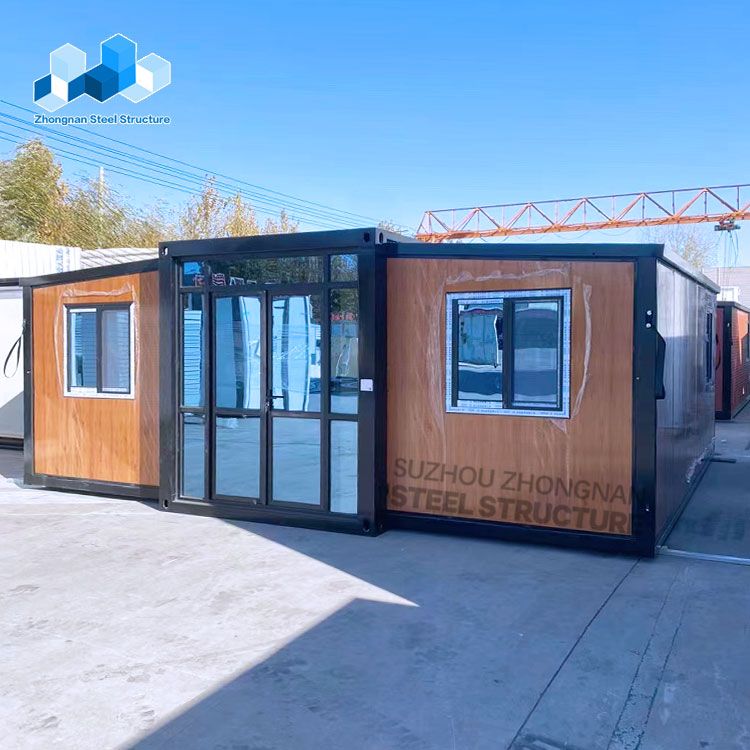
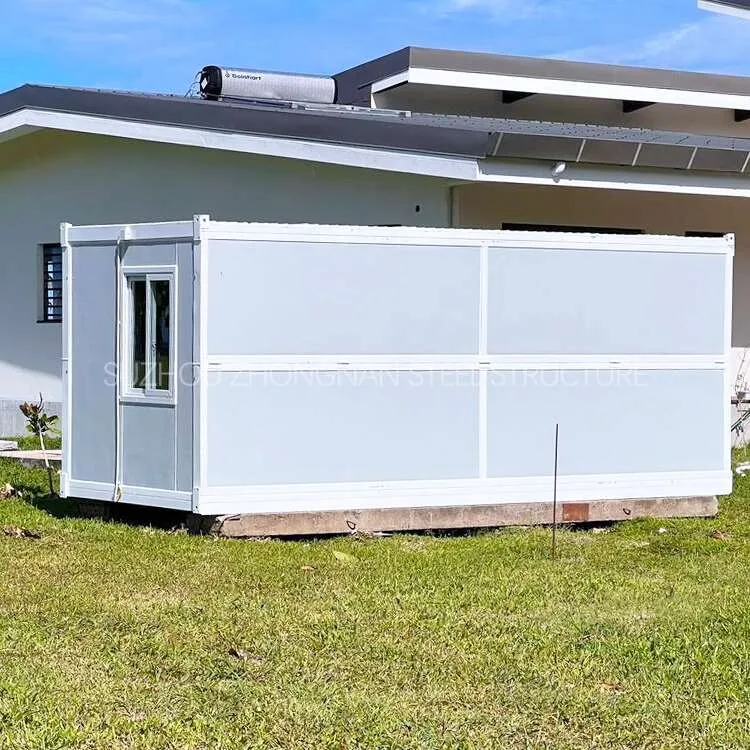
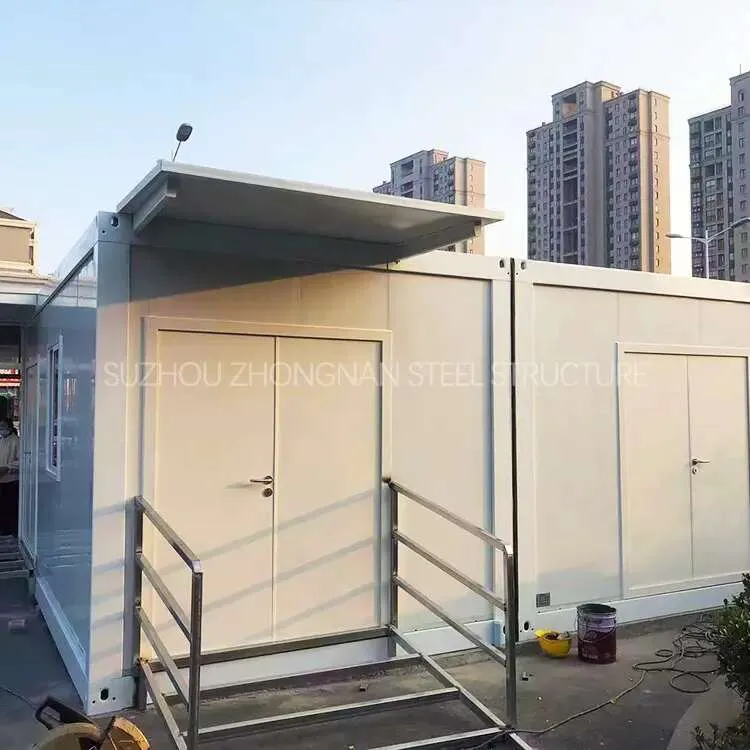
prefab camps container
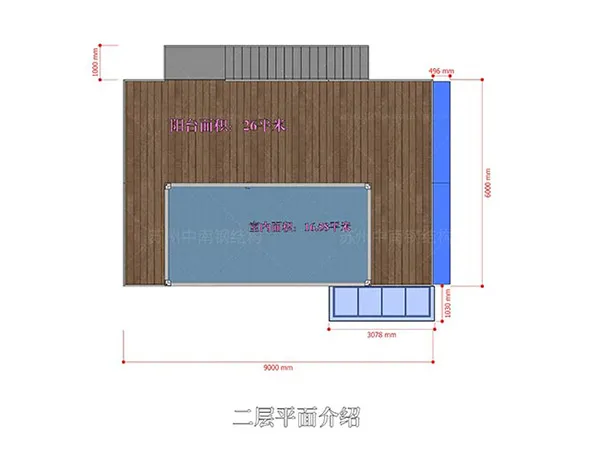
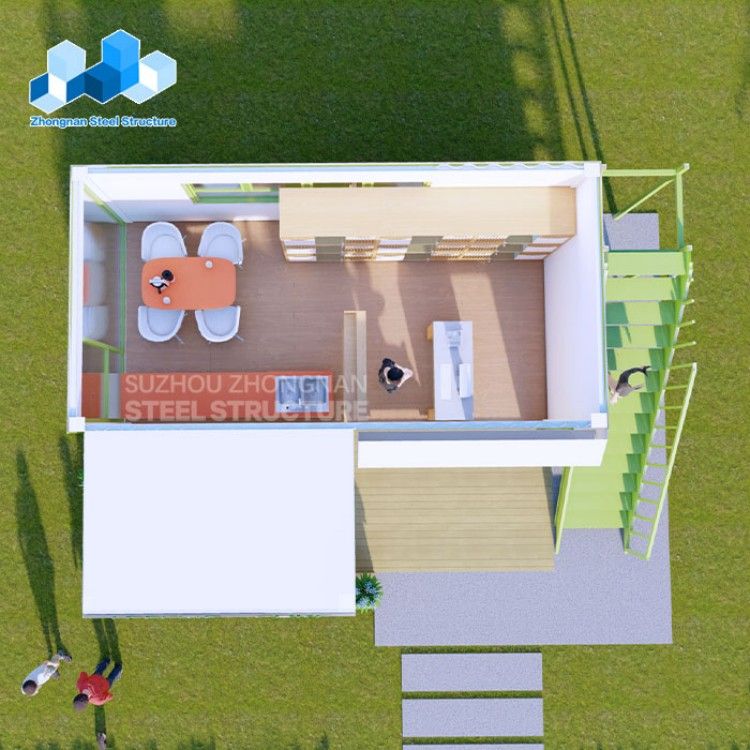
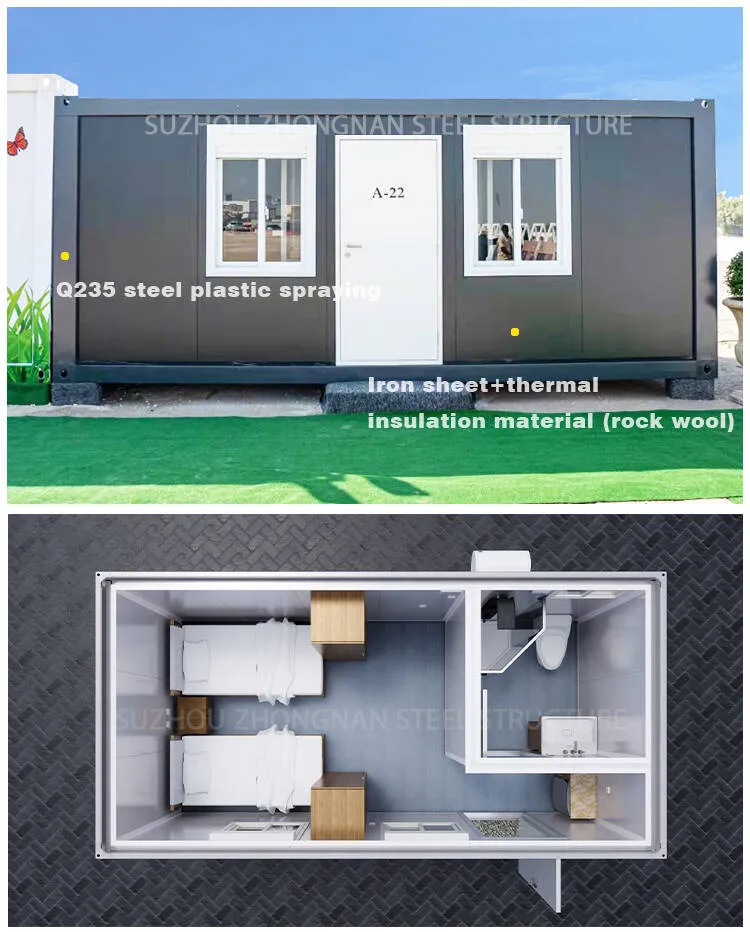
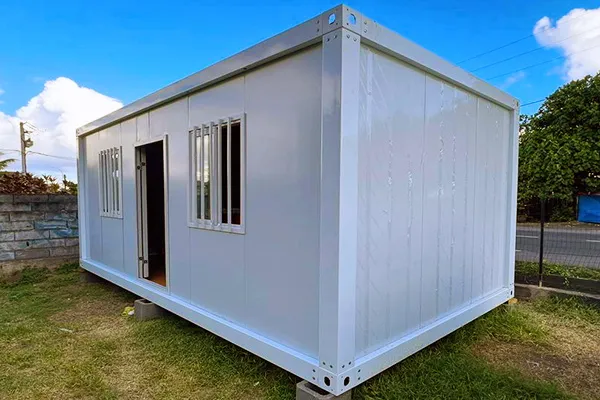
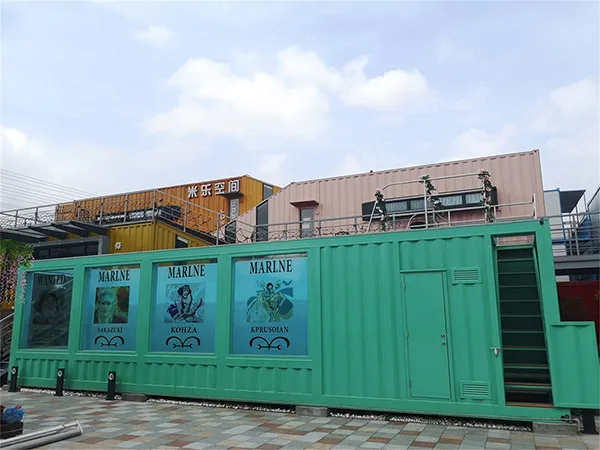
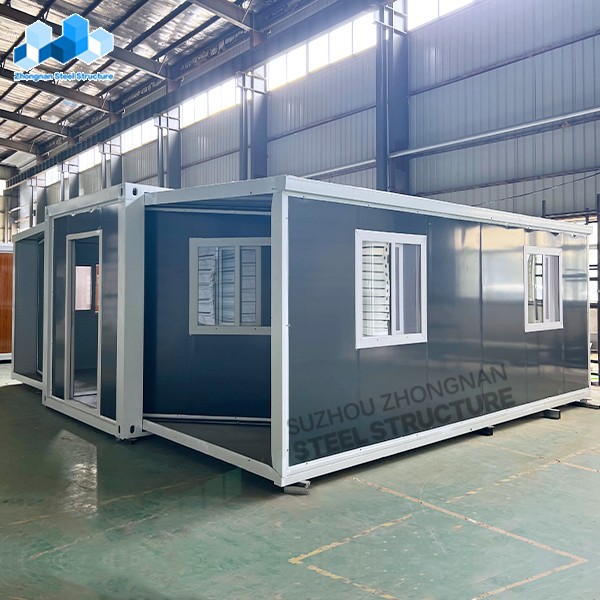
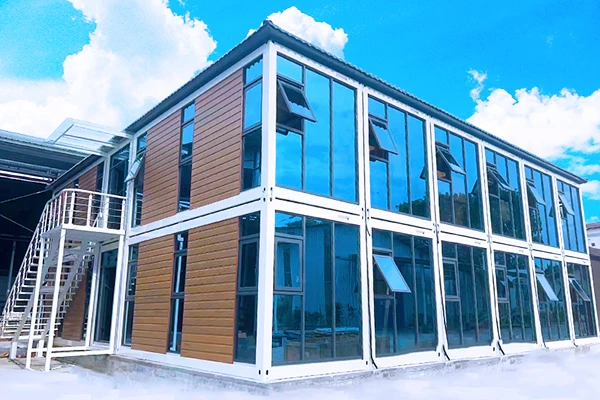
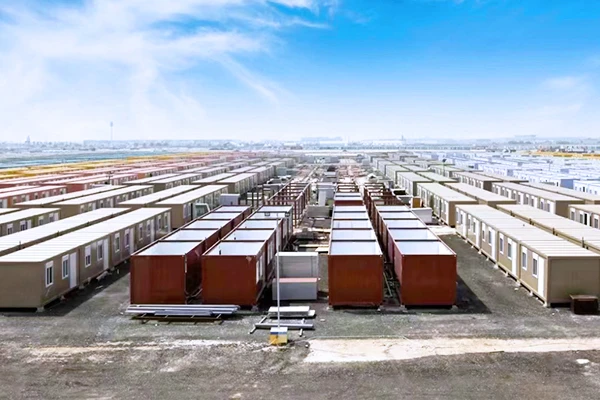
Flat Pack Container House : field notes from a fast-moving prefab market Origin: Fanxiang Village, Taoyuan Town, Wujiang District, Suzhou City, China. If you’ve spent any time on active job sites, disaster recovery bases, or pop-up clinics lately, you’ve noticed it: modular is no longer fringe. The Flat Pack Container House ships disassembled, lands as a compact kit, and—after a day’s work with a small crew—turns into real, livable space. To be honest, the shift has been brewing for years; what’s different now is the polish and the performance envelope. What’s trending (and why it matters) Three currents are driving demand: compressed project timelines, sustainability mandates, and volatile labor markets. Many customers say they cut site setup from weeks to days; some even reuse kits across projects, which, surprisingly, changes the capex/opex math in their favor. In fact, modular is showing up in education and healthcare, not just construction camps. Core specs at a glance Module size (typ.) ≈ 6055 × 2435 × 2896 mm (20 ft footprint) Structure Galvanized cold-formed steel frame, powder-coated; stackable up to 3 stories (real-world use may vary) Envelope Sandwich panels (EPS / PU / Rockwool 50–100 mm); U-value ≈ 0.35–0.55 W/m²·K (panel-dependent) Floor/Roof 18 mm fiber‑cement subfloor + PVC finish; integrated roof drainage, optional insulation blanket Loads & Durability Wind 0.6–0.75 kPa, Snow 0.5 kPa; service life ≈ 15–25 years with maintenance Fire/Certs Rockwool panel up to B-s1,d0 (EN 13501-1); plant ISO 9001; electrical CE/CCC compliance How it’s built (quick process flow) Materials: galvanized Q235B steel, sandwich insulation panels, PVC floors, EPDM seals, aluminum windows. Methods: CNC cutting, MIG welding, zinc-rich primer, powder coating, panel lamination. Testing: dimensional checks (ISO 1496 references), load/stack tests, insulation lambda verification, grounding tests to IEC norms, and fire classification by accredited labs. Service life: 20-ish years is common for the Flat Pack Container House with seasonal repainting and gasket replacement. Where it works Construction site offices and worker housing Disaster relief shelters and field hospitals Mining, oil & gas camps; remote telecom huts Pop-up classrooms, clinics, retail, even micro‑hotels Advantages I keep hearing about Ships flat, cuts freight volume by ≈ 60–70% vs. welded containers 2–6 hour assembly per unit with a small crew; minimal cranage Reconfigurable layouts; modules link side-by-side or end-to-end Predictable QC—factory processes beat ad‑hoc site builds Vendor snapshot (what buyers compare) Vendor Lead Time Certs Customization Notes ZN (Suzhou) 3–4 weeks ISO 9001, CE/CCC electrical Deep: size, panels, MEP kits Factory-direct, modular linking Local fabricator 2–8 weeks Varies Medium Easier site service, higher cost Import broker 4–10 weeks Depends on supplier Low–Medium Price-driven, variable QC Customization menu Panel thickness (50/75/100 mm), insulation core (EPS/PU/Rockwool), window/door sets, bathroom and kitchen kits pre-plumbed, solar PV and battery add-ons, HVAC (split or cassette), data cabling, ADA/accessible ramps. The Flat Pack Container House also supports corridor modules and internal stair pods for multi-bay camps. Field notes and feedback Case A—Cyclone response: 40 units deployed as a clinic cluster; setup in 72 hours, wind exposure met spec. “Not fancy, but clean, quiet, and cool,” the site lead told me. Case B—School overflow: Four linked classrooms with rockwool panels hit better-than-expected acoustics (≈ STC 32–35). Teachers said temperature swings were manageable with a small split AC. Standards referenced: ISO 1496 (container testing concepts), EN 13501-1 (fire), IEC electrical safety, plus QA under ISO 9001. Always verify local code compliance—energy and fire classifications can be jurisdiction-specific. Authoritative citations McKinsey: Modular construction—From projects to products EN 13501-1: Fire classification of construction products ISO 1496 series: Freight container—Testing UNHCR Emergency Handbook: Shelter and settlement


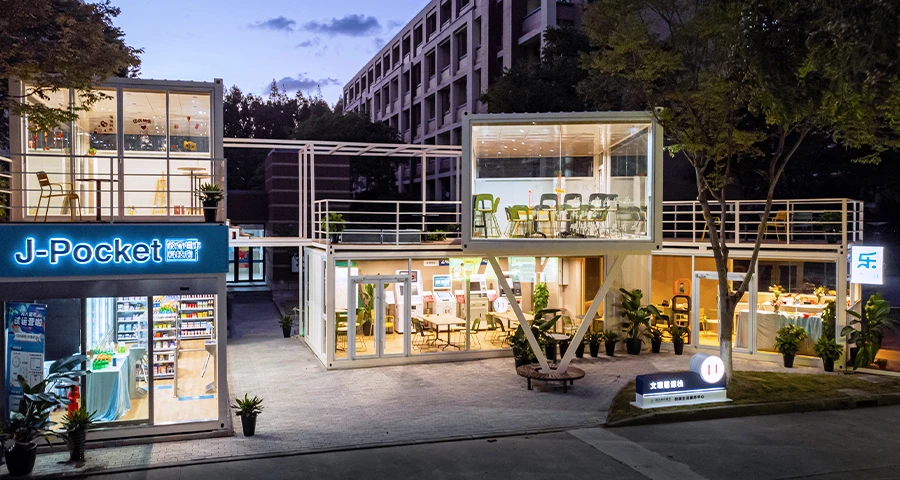



 For Governments & Enterprises
 For Public Initiatives
 For Property Developers